
Pineal Guardian™: What It Claims, and What Research Actually Says
Pineal Guardian is marketed as a brain-support formula built around a bold premise: cleansing the pineal gland and restoring natural melatonin production. This guide lays out what the product is, how its claims compare to real pineal-gland and fluoride research, and what to check before you order — without the hype.
- Marketed as a plant-based, non-stimulant daily formula
- Positioned around pineal-gland and melatonin support
- Backed by a seller-advertised money-back guarantee (confirm current terms before ordering)
- Independent, transparent breakdown — not a hype-driven sales page
What Is Pineal Guardian?
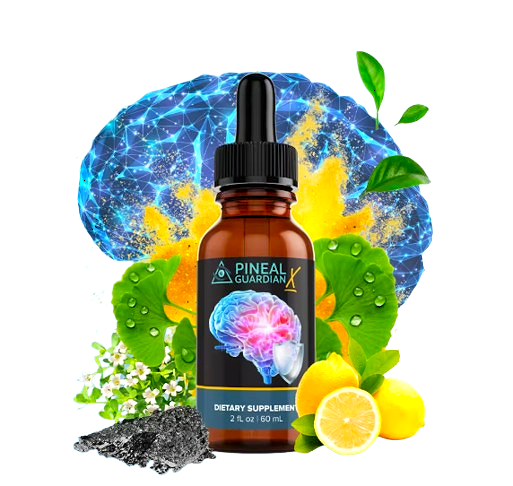
Pineal Guardian is a dietary supplement marketed as a brain-detox and cognitive-support formula. Its marketing centers on the pineal gland — a small, pinecone-shaped structure deep in the brain best known for producing melatonin — and claims the product helps "flush" fluoride buildup from that gland while restoring natural melatonin production.
According to the product's own marketing materials, Pineal Guardian is plant-based, non-stimulant, and taken daily in capsule form. It is positioned as a non-habit-forming addition to a daily routine rather than a fast-acting stimulant.
It's worth being direct about something many supplement pages gloss over: Pineal Guardian is sold online, primarily through affiliate-linked checkout pages like the one this site links to. That doesn't make the product illegitimate, but it does mean you should treat the marketing claims the way you'd treat any direct-to-consumer supplement pitch — with a critical eye and a habit of verifying details on the official checkout page before you buy.
How Is Pineal Guardian Positioned to Support Brain Health?
Pineal Guardian's marketing centers on a simple narrative: fluoride and environmental toxins accumulate in the pineal gland over time, interfering with its ability to produce melatonin — and by "cleansing" the gland, the product is said to restore melatonin production and, with it, memory, focus, and sleep quality.
The underlying premise draws on a real area of research: fluoride has been shown to accumulate in the aged human pineal gland, and some evidence links this to reduced melatonin output. What is not independently verified is that any oral supplement can remove fluoride already deposited in calcified pineal tissue, or that Pineal Guardian's specific formula produces this effect. Marketing language like "flushes" or "restores" describes intent, not a demonstrated outcome — see our full research breakdown for the evidence itself.
In practical terms, Pineal Guardian is marketed to be taken daily, with the manufacturer suggesting consistent use over time to notice results.
What Research Actually Says
Here's the honest research picture behind Pineal Guardian's central claims — sourced from NIH/NCBI and peer-reviewed research, including where the evidence is genuinely thin.
This is general research on pineal-gland physiology and fluoride exposure — not a clinical trial of Pineal Guardian itself. No independent, product-specific trial is known to be published. Nothing here is medical advice.
Pineal Gland & Melatonin
Well-established physiology — the pineal gland produces melatonin on a light-driven circadian rhythm. NIH/NCBI overview →
Fluoride & the Pineal Gland
Fluoride does accumulate in the aged pineal gland, but no research shows a supplement can remove it. Read the full review →
Pineal Calcification
Common with age — a systematic review found ~61.65% prevalence across studies. See the data →
Melatonin & Cognition
Mixed and inconsistent in humans, despite stronger findings in animal studies. See the evidence →
Is Melatonin a "Neuroprotector"?
Real antioxidant research exists, but mostly from animal studies of stroke and brain injury — not daily wellness use. See the evidence →
What Causes Brain Fog?
Research points to inflammation, viral infection, and hormonal shifts — not pineal-gland fluoride buildup specifically. Read the research →
General pineal-gland and fluoride research isn't proof a specific commercial formula produces a specific result. See the full research breakdown, methodology, and every source → · Read the neuroprotection & brain fog deep-dive →
Who May Be Interested in Pineal Guardian?
Pineal Guardian is marketed toward adults curious about pineal-gland and melatonin-adjacent supplements — not as a treatment for a diagnosed condition.
Curious Wellness Shoppers
Adults interested in pineal-gland/melatonin-adjacent supplements who understand this is a wellness product with limited product-specific evidence.
Stimulant-Averse Users
People specifically looking for a plant-based, non-stimulant option rather than a caffeine-heavy nootropic.
Health-Conscious Researchers
Shoppers who want to read the evidence, guarantee terms, and pricing carefully before ordering anything — which is exactly what this guide is built to support.
Who should be cautious
Anyone who is pregnant or nursing, taking prescription medication, managing a neurological or psychiatric condition, or under 18 should consult a healthcare provider before starting Pineal Guardian or any new supplement. This site does not provide medical advice.
How to Evaluate a Pineal-Support Supplement Before Buying
Whether or not you choose Pineal Guardian, these are the questions worth answering about any supplement before you order:
- Is the ingredient panel published in full? You should be able to see exact dosages, not just marketing copy, before purchasing.
- Is manufacturing transparency available? Look for facility standards (such as GMP practices) referenced by the manufacturer.
- What exactly does the guarantee cover? Confirm the refund window, whether shipping is refundable, and how to initiate a return before you buy — not after.
- What is the real price per bottle and per serving? Multi-bottle bundles often change the effective daily cost significantly.
- Are the claims proportionate? Be skeptical of language like "flushes" or "restores" that isn't attached to a cited, independent, product-specific source.
- Who is actually selling it? Understand whether you're ordering from the manufacturer's own checkout or a third-party reseller, and whether the site you're on is an official page or an informational/affiliate resource like this one.
How Pineal Guardian Is Marketed to Be Used
Based on the product's own marketing, Pineal Guardian is designed to fit into a simple daily routine:
- 1Take the recommended servings. The seller's marketing describes taking one serving in the morning and a second later in the day, generally with water.
- 2Stay consistent. Daily use is marketed as necessary to allow the ingredients to gradually work, not a one-time effect.
- 3Confirm the current directions. Always follow the exact usage instructions printed on the current product label, since these can be updated.
- 4Give it time. Marketing materials suggest continued use for ongoing support — individual experiences will vary, and no specific outcome is guaranteed.

Pineal Guardian's Money-Back Guarantee
Pineal Guardian has been marketed with a 365-day money-back guarantee advertised by the seller. As described in the product's marketing, customers who are not satisfied within that window can request a refund, typically less shipping and handling, by contacting customer support.
Guarantee terms, refund windows, and eligibility conditions can be changed by the seller at any time, so treat the summary above as a starting point rather than a final answer. Read our full purchase-readiness guide for what to confirm on the checkout page before you order.
View Current Guarantee TermsPineal Guardian: Potential Advantages and Limitations
Potential Advantages
- Plant-based, non-stimulant formula positioned around a specific, describable mechanism rather than generic "energy"
- Simple daily-use format, as described by the seller
- Seller-advertised money-back guarantee (verify current terms)
- References a real, active area of scientific research — pineal gland and fluoride physiology — even if the product-level claim outruns it
Limitations to Consider
- No published clinical evidence for this specific product
- Ingredients, dosages, and manufacturer are not disclosed in the marketing we reviewed
- Central "flushes fluoride" claim is not supported by the research it references — see our research breakdown
- Sold primarily through an affiliate checkout funnel, not a transparent brand storefront
- Individual results are inherently unverifiable without independent testing
Pineal Guardian FAQ
What is Pineal Guardian?
Pineal Guardian is a dietary supplement marketed as a brain-support formula intended to support the pineal gland and the body's natural melatonin production. It is sold online, primarily through affiliate-linked checkout pages.
Does Pineal Guardian really flush fluoride from the pineal gland?
This is a marketing claim, not an independently verified one. Research shows fluoride can accumulate in the aged human pineal gland, but no published research describes a way for an oral supplement to remove fluoride already deposited in calcified tissue. See our research page for the full picture.
What ingredients are in Pineal Guardian?
The marketing materials available to us do not publish a full ingredient list or exact dosages. Always confirm the current Supplement Facts panel on the official checkout page before ordering.
Is Pineal Guardian safe to take?
It's marketed as plant-based and non-stimulant, but without a disclosed ingredient list we can't independently confirm interaction risks. Anyone pregnant, nursing, on medication, or managing a health condition should consult a healthcare provider before use.
Does Pineal Guardian have a money-back guarantee?
The seller has advertised a 365-day money-back guarantee. Confirm the current terms on the official checkout page, since policies can change.
Where can I verify current pricing and confirm this is a legitimate checkout?
See our official information and authenticity guide for how to confirm you're on a legitimate checkout page, and our purchase-readiness guide for what to check before you order.